

The History
The Diocesan Museum of the Archdiocese of Sant'Angelo dei Lombardi-Conza-Nusco-Bisaccia offers a fascinating journey through the history of faith in the Alta Irpinia area. Its first nucleus dates back to the 1960s. The then Bishop of Nusco, Mons. Gastone Mojaisky-Perrelli, had the idea of creating a diocesan museum of sacred art. He began collecting works of art from the various churches of the diocese to protect them from theft and neglect. This effort did not, however, result in a proper exhibition space: the works collected ended up simply becoming furnishings within the Bishop's Palace. The bishop's initiative did, nonetheless, have the merit of awakening the community's interest in the artistic heritage of Alta Irpinia, prompting the preservation not only of written documents, but also of works of art and historic buildings.
This momentum was disrupted by the seismic events of November 1980. Whole towns were wiped out forever by the fury of the earthquake and by the uncontrolled demolitions of the following months. Thanks to the intervention of volunteers and officials from the Soprintendenza, many works were saved and placed in safety, either to undergo initial restoration work or to prevent further damage. In the mid-1990s, the diocesan community became aware of the importance of recovering this heritage and bringing it "back home", avoiding cultural uprooting and instead restoring the strong bond with the communities that had produced it. This gave rise to the idea of a diocesan museum, which was also accompanied by the publication of the "Guide to the Diocesan Museum of Sant'Angelo dei Lombardi-Conza-Nusco-Bisaccia", promoted by the Campania Episcopal Conference on the occasion of the Jubilee Year 2000.
In April 2003, a programme agreement was signed between the Archdiocese of Sant'Angelo dei Lombardi-Conza-Nusco-Bisaccia — Archbishop Salvatore Nunnari — and the Municipality of Nusco — Mayor Giuseppe Del Giudice — for the enhancement of the cultural assets owned by the Archdiocese within the territory of the Municipality of Nusco.
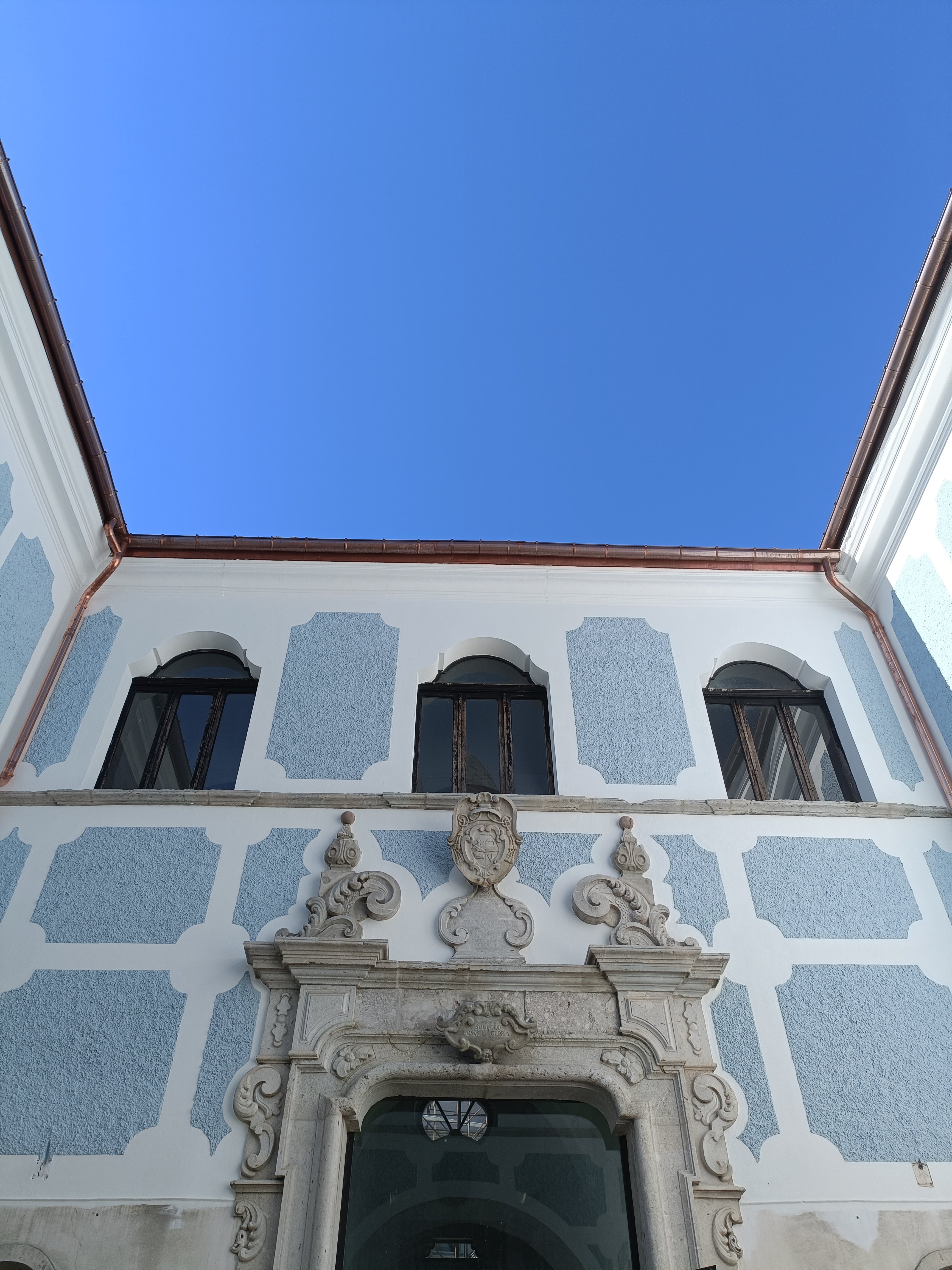
The venue chosen for the museum was the main floor (piano nobile) of the former Bishop's Palace of Nusco, one of the first buildings restored after the earthquake. In subsequent years, other areas of the palace were also allocated to the museum. Archbishop Mons. Francesco Alfano indeed ordered that the rooms previously reserved for the bishop's private use should also be converted into museum space. The restoration and exhibition design project was entrusted to architect Angelo Verderosa and funded by the Campania Region, the CEI (Italian Episcopal Conference) and the Presidency of the Council of Ministers. The rearrangement and organisation of the collections was carried out by local young graduates in cultural heritage conservation, coordinated by the Museum Director, Mons. Tarcisio Luigi Gambalonga. The Diocesan Museum was inaugurated on 4 October 2010.
The spaces of the new exhibition display furnishings, wooden artefacts and liturgical textiles, arranged by type. The Multimedia Area, created in 2025, tells the story through modern forms of expression. Visitors can explore various in-depth spaces dedicated to the dioceses once present in the area, to the liturgical heritage, and to religious feast days and popular devotional traditions.