Sant'Andrea di Conza
The municipality of Sant'Andrea di Conza lies in Alta Irpinia, on the border with Basilicata, at an altitude of 660 metres, and has around 1,400 inhabitants. Its name may derive from the devotion to the Apostle Andrew of the Bulgarian communities who called their settlements 'Casale S. Andrea', a place name preserved here next to ancient Compsa. Sant'Andrea di Conza is first mentioned in a deed of gift of 1161, when Jonathan of Balvano, Norman count of Conza, gave the church of Sant'Andrea, with its adjoining hamlet and land, to the church of Santa Maria dell'Episcopato in the same county. From then until the abolition of feudalism in 1806, the village belonged to the 'Mensa Arcivescovile' (the archbishop's estate). During this long period it was administered by a number of families: the Poncelly, Del Balzo, Gesualdo, Ludovisi and Mirelli. The last Saturday in May is still dedicated to the "Rito delle Maggiaiole": the local girls go to the Co-Cathedral of Santa Maria Assunta in Conza della Campania to ask the Virgin Mary to help them find a good sweetheart.
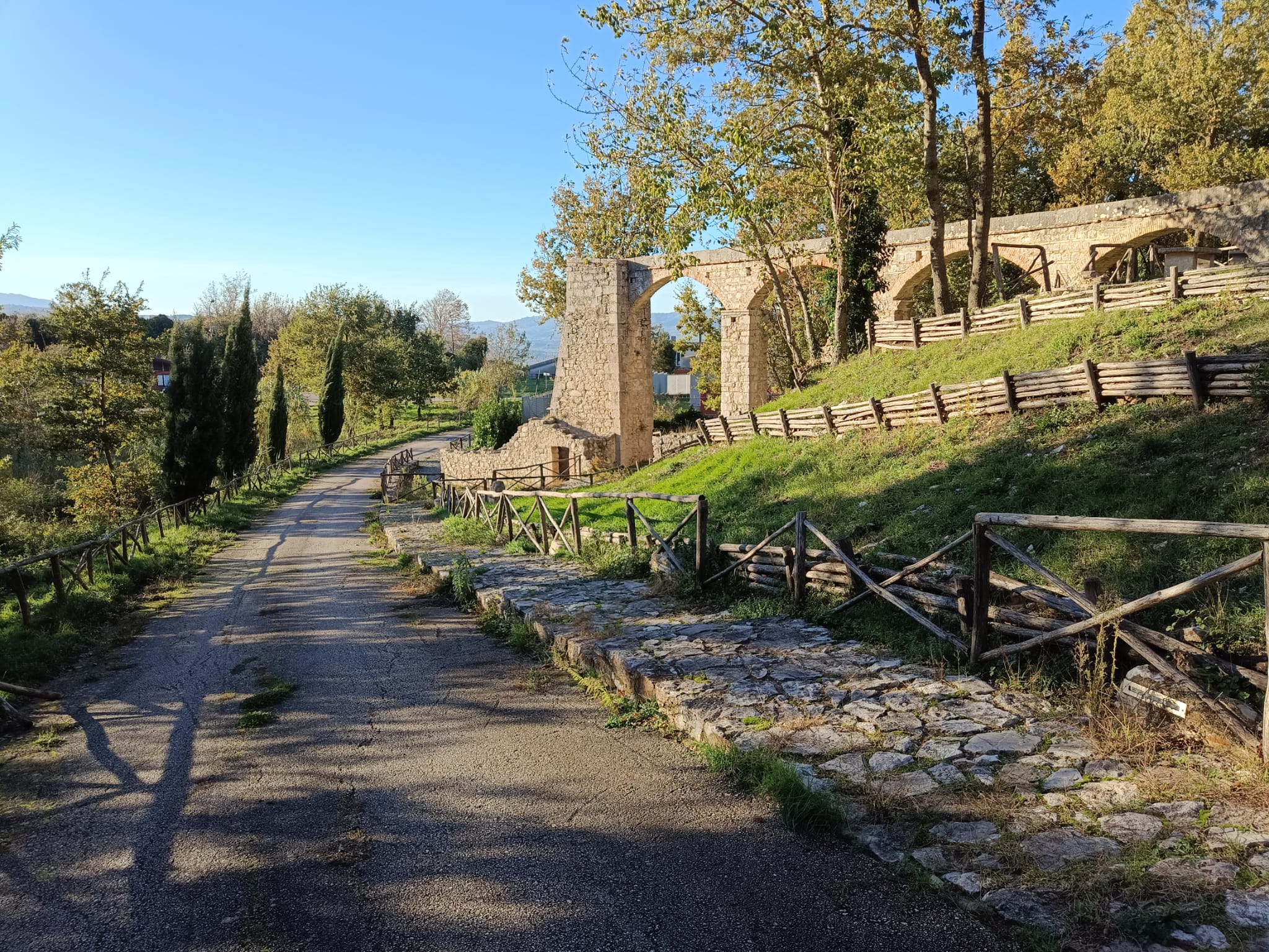
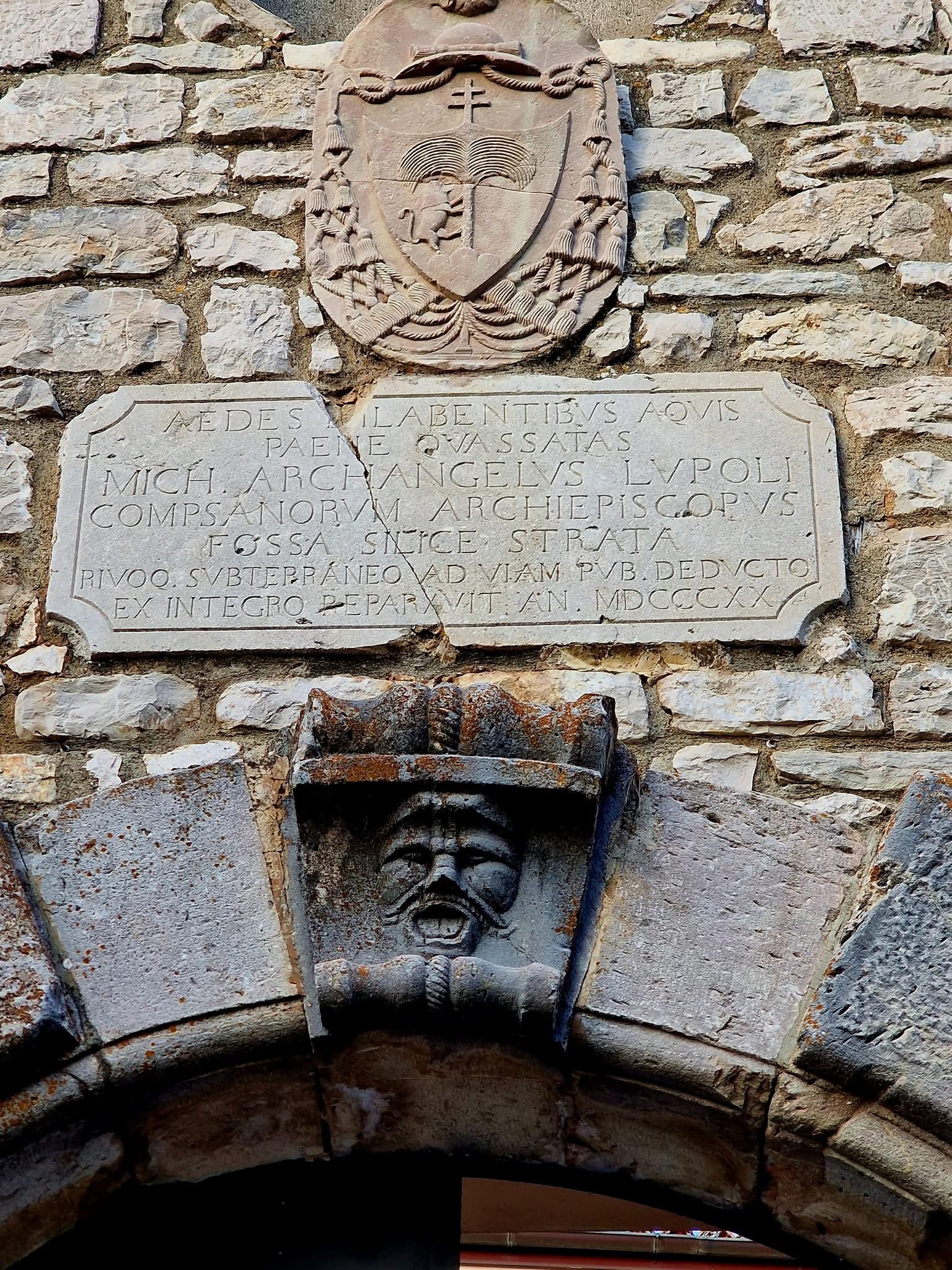
The Palazzo dell'Episcopio (the end point of Stage 7 of the Cammino), originally a 13th-century castle, later became an important bishop's residence. Damaged by the 1980 earthquake, it was restored in the 1990s, together with its adjoining gardens and large open-air theatre, to house the Town Hall. Also worth visiting is the former brickworks, the earliest example of industrial activity in Alta Irpinia, dating from the early 20th century. It was converted into a multi-purpose centre in the 1990s (project by Verderosa studio and others). Of particular interest is the preserved underground Hoffmann kiln, where bricks were fired by a continuously moving fire, and the tall central chimney. Today it hosts conferences, festivals and concerts, and remains a social hub serving the community. In the upper part of the historic centre stands the imposing former Bishop's Seminary, where many young people came to study or to train for the priesthood. Another site of interest is the ruins of the former Franciscan monastery and its church of Santa Maria della Consolazione, destroyed in the 1930 earthquake. Sant'Andrea is rich in springs, which over the centuries powered no fewer than six water mills (don't miss the fine mill known as 'La Fonte', just above the village) and fed carved stone fountains and a covered wash house that is still in use today. Objects made of local stone (known as 'favaccio') and wrought iron can be bought locally.
The village is still famous for its bread, pizzas and biscuits. There were once seven bakeries; two survive, on the main street.