Ancient Compsa
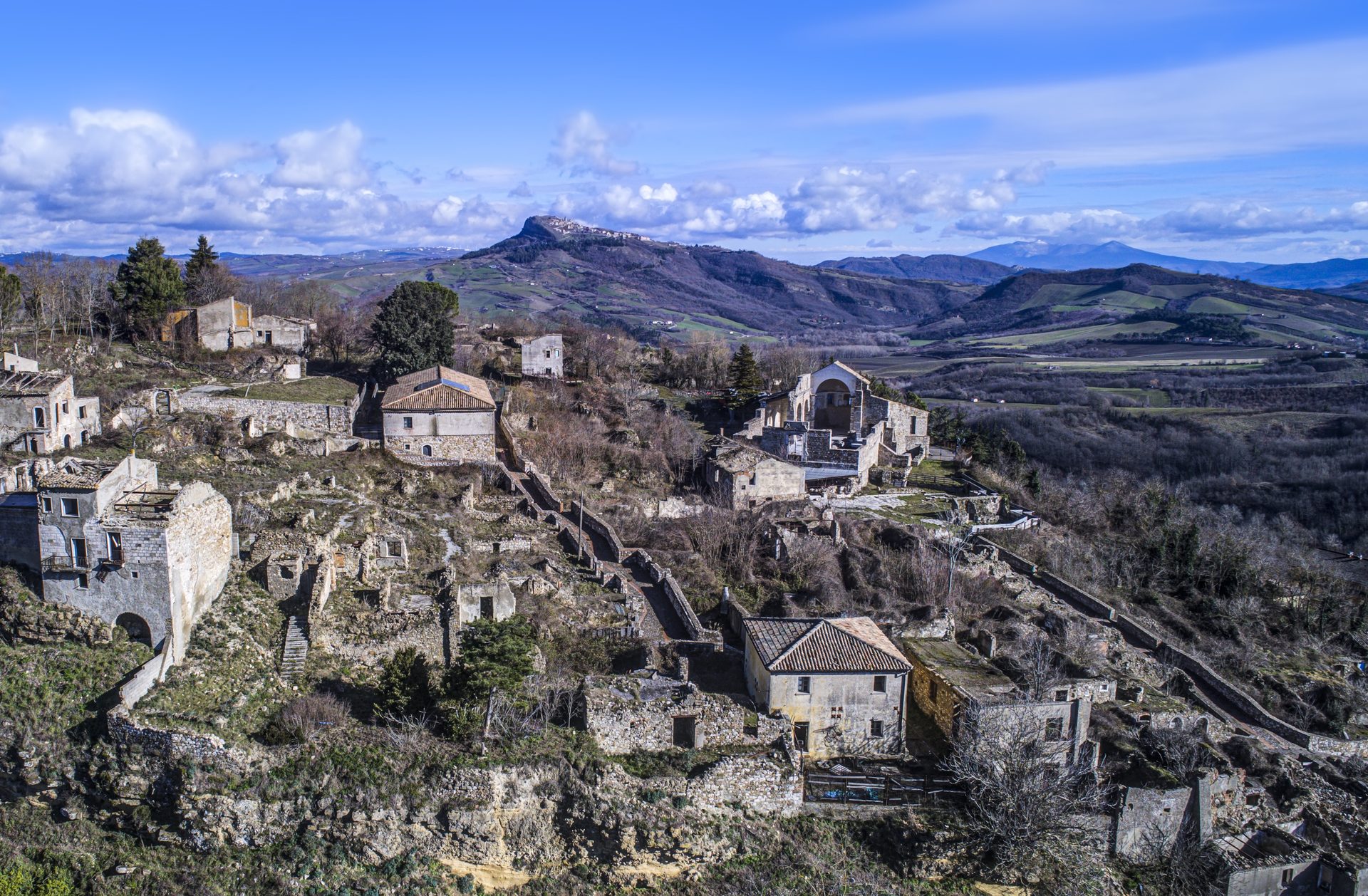
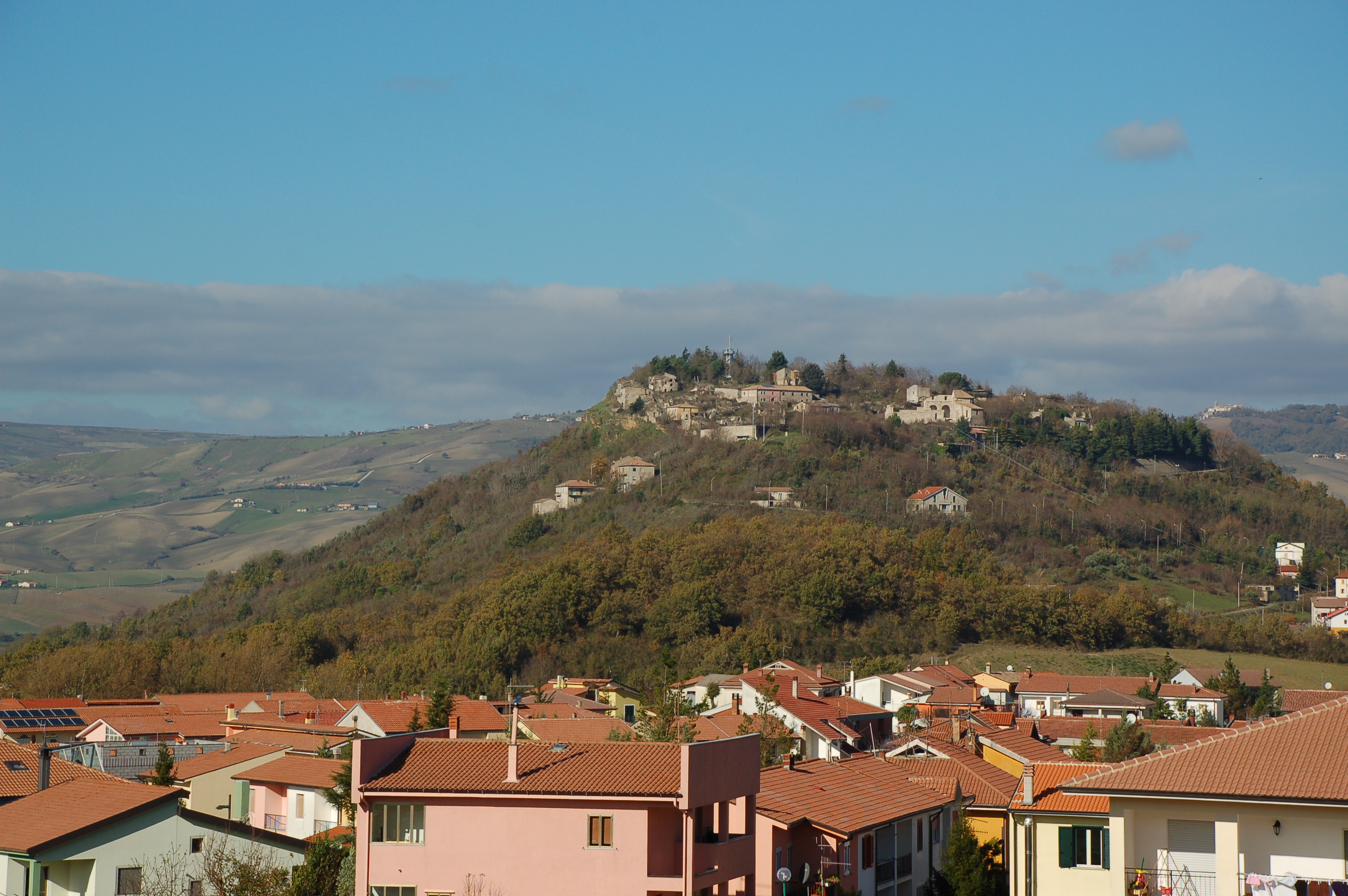
The old town (594 m, approx. 1,300 inhabitants) stands on the site of ancient Compsa, considered Greek by some scholars and Oscan by others. In the 3rd century BC Compsa was a town of the Hirpini, one of the four Samnite tribes defeated by the Romans at the Battle of Beneventum in 275 BC. During the Second Punic War it was handed over to Hannibal by Statius Trebius, and was retaken by Quintus Fabius Maximus in 214 BC; it later became a municipium. It is known from Julius Caesar's mention of it in De Bello Civili (Book III, Chapter 22): it was at "Compsam in agro Hirpino" that Caesar's opponent Milo died, struck by a stone thrown from the walls. By the 6th century it was already the seat of a bishop. It was sacked by the Lombards in 570 and later annexed to the Principality of Salerno. After an earthquake on 25 October 990, the settlement moved up the hill, close to the castle, at 594 metres. Conza went on to suffer further severe earthquakes in 1930 and 1962, and finally the catastrophic Irpinia earthquake of 1980, which razed the whole town to the ground. The new town has been rebuilt on the plain below, 2 km away.
In the centre of the old town, abandoned after the 1980 earthquake, excavations have brought to light important finds and structures, including part of the Roman forum, a building (perhaps a temple or another public complex), an early Christian funerary stele and other ruins, which now form an archaeological park. Also worth visiting is the old Cathedral, preserved today as a ruin (project by Dalisi and Verderosa).