Lioni
The name Lioni seems to derive from an ancient stone monument carved with lions, one of which can still be seen in front of the Town Hall. Tradition has it that in Roman times the site was used as a burial ground, a claim supported by finds of tombstones and stelae.
The town was founded in the Middle Ages, as shown by 13th-century records stating that the territory of Lioni was part of the fief of Oppido. It was later administered by the Balvano, Gianvilla, Caracciolo and Imperiale families.
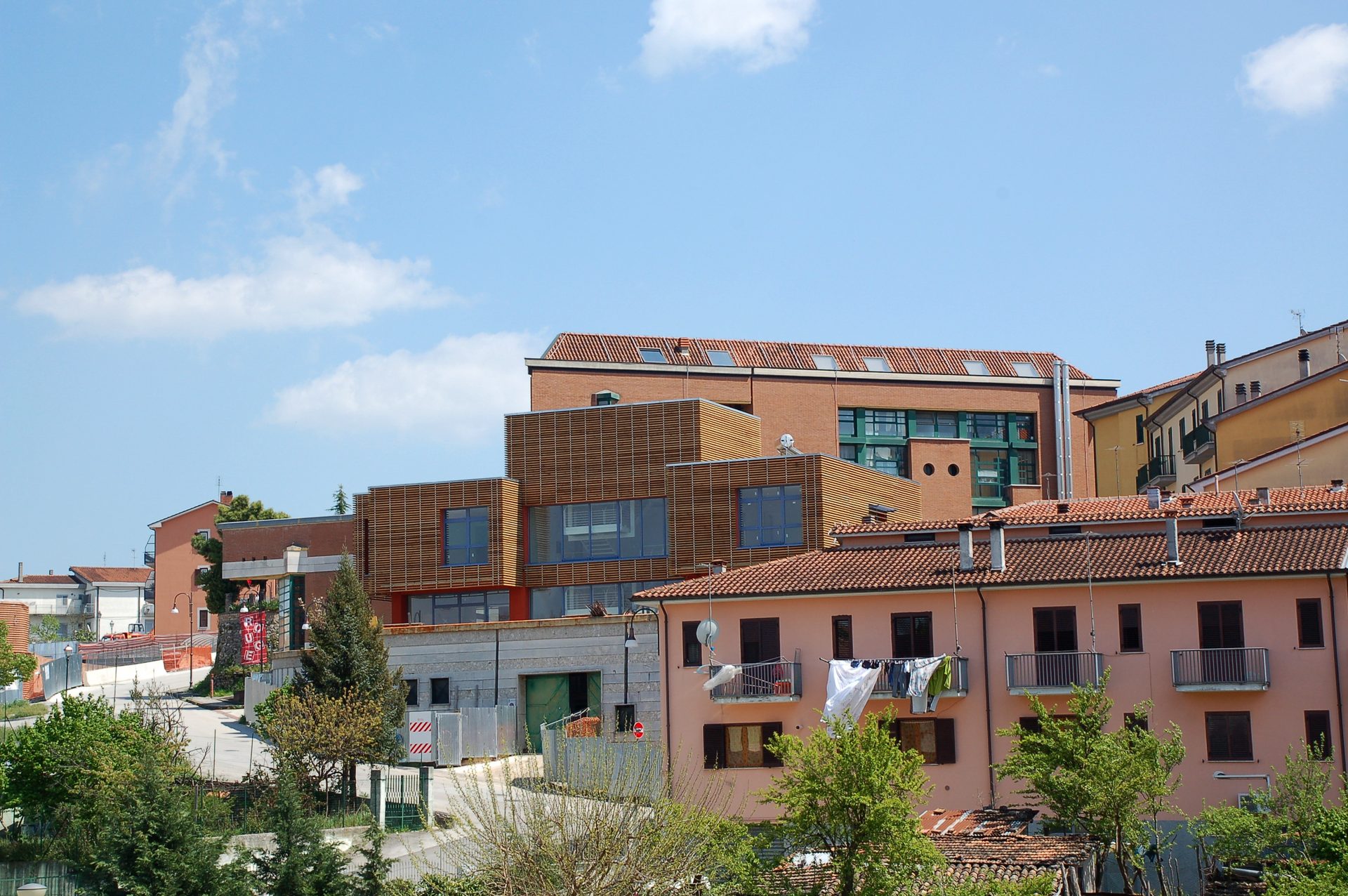
The 1980 earthquake caused very serious damage and loss of life. Today Lioni is constantly seeking to reaffirm its identity and its bond with the land, which it celebrates through art, and street art in particular, as the murals scattered among the houses of the centre show.
It is said that during the terrible plague of 1656 Lioni was saved by St Roch. From then on, the community's bond with the saint was very strong, and on 31 October 1774 he was proclaimed its protector. His sanctuary was built in the centre of the town, on the site where in the 16th century there stood a chapel dedicated to Our Lady of Mount Carmel, destroyed in 1626 and rebuilt in 1638. The church, altered and rebuilt several times because of recurring earthquakes, was razed to the ground by the earthquake of 23 November 1980. The modern sanctuary, designed by the Milanese architect Giovanni Muzio, echoes the form and style of the Basilica of the Annunciation in Nazareth.
The statue carried in procession was made in 1750 by the Lioni sculptor Pietro Nittoli.