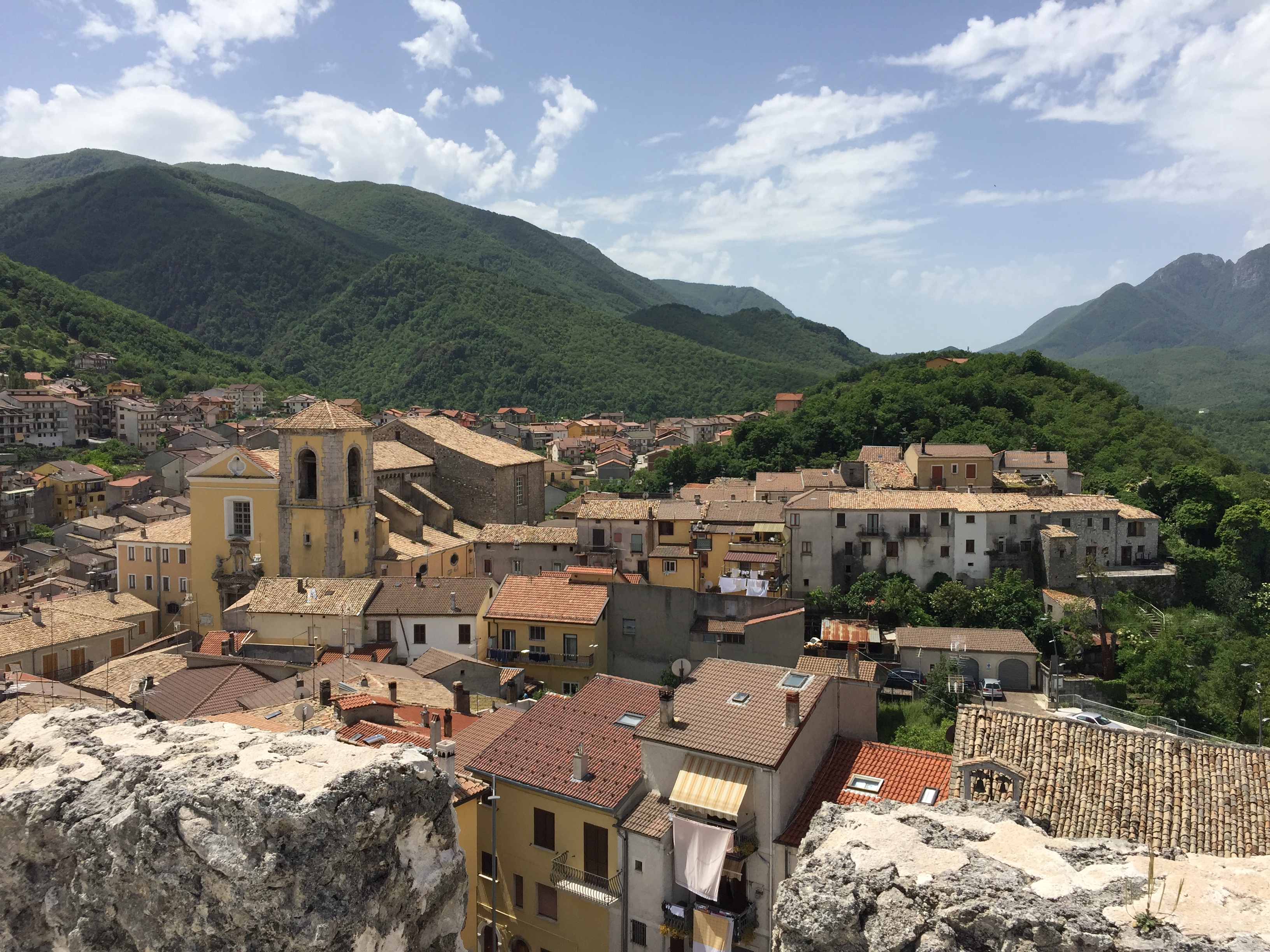
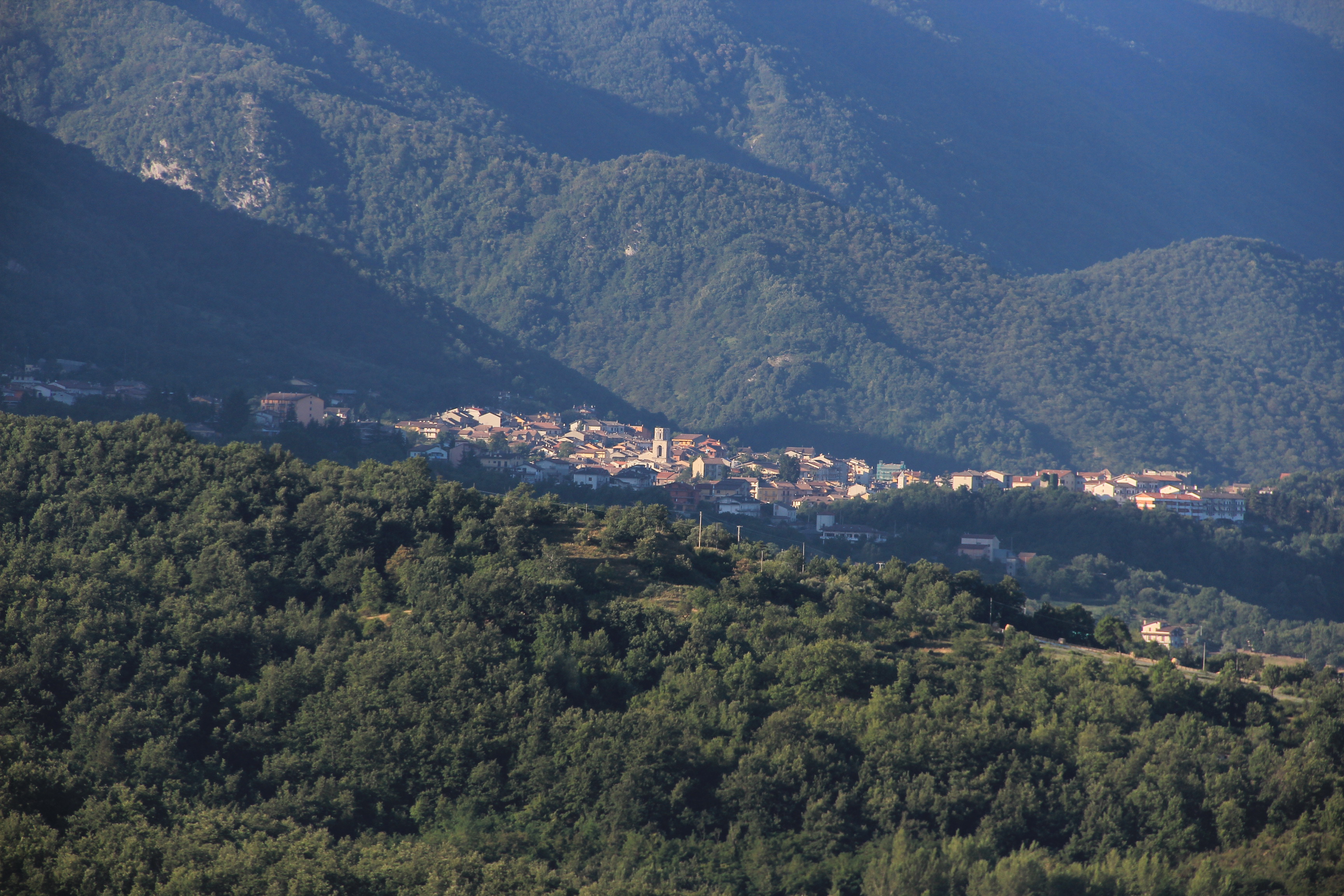
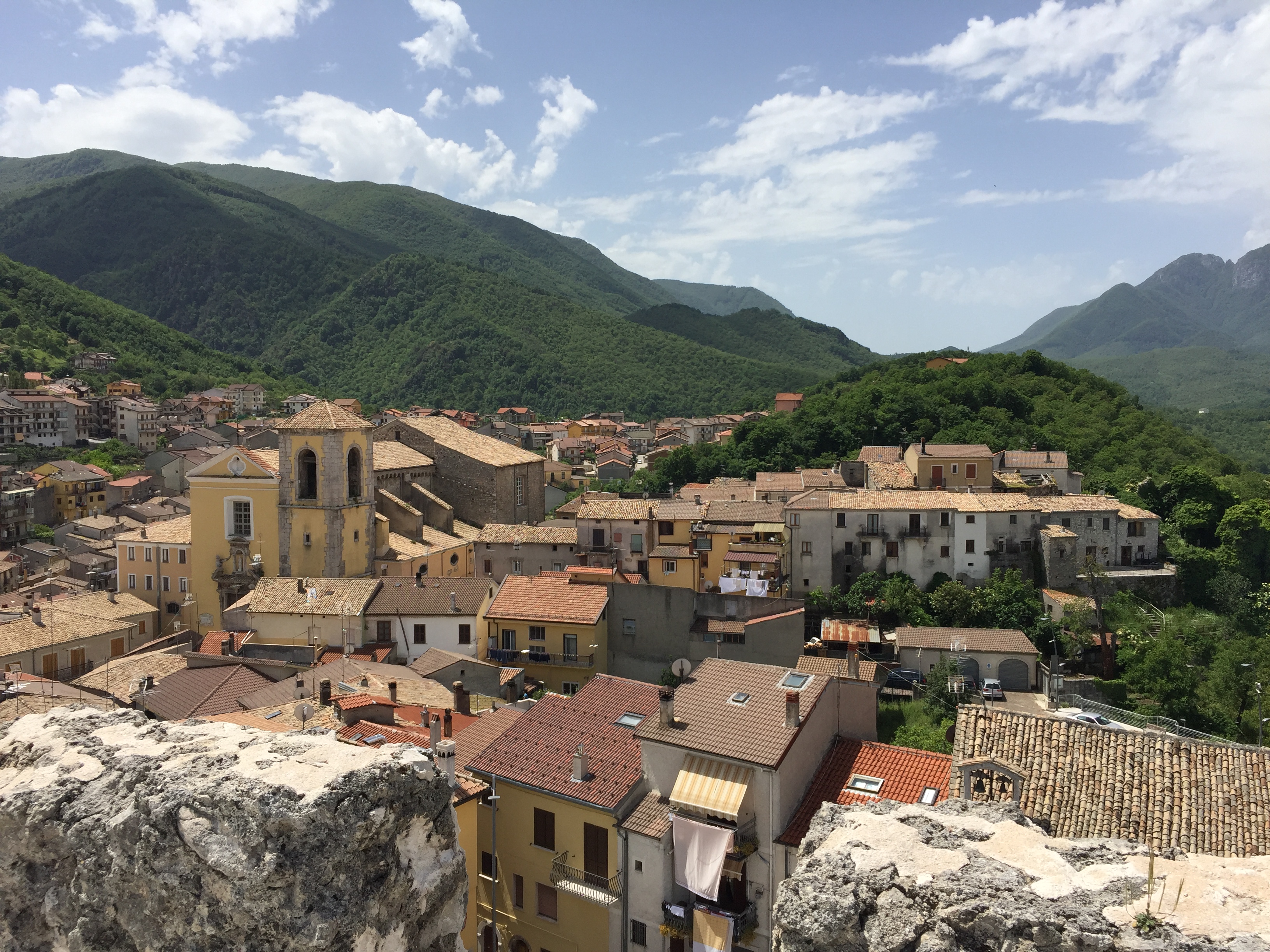
Bagnoli Irpino, historic centre
The municipality of Bagnoli Irpino (Avellino) lies within the Monti Picentini Park, at an altitude of 654 metres, and has around 3,100 inhabitants. Its name comes from the Latin 'baniolum', referring to the abundance of water in the area. In the 15th century a humanist staying with the Cavaniglia counts called it 'domus deorum' (home of the gods), and the village is still a delightful place today, thanks to the green walnut, chestnut and beech woods that surround it at the head of the Calore valley, and to the walks it offers on the northern slopes of the Picentini mountains. You enter the oldest part of the village with the restored Cavaniglia castle (15th century) on your right. From the central Piazza Leonardo di Capua, follow Via Garibaldi and then turn right into Via Marconi to reach the 17th-century Collegiate Church of Santa Maria Assunta, approached by a double flight of steps. Inside, the 19-seat choir was carved in the 17th century by the local cabinetmakers Scipione Infante and Jacopo Bonavita, with statuettes and bas-reliefs depicting scenes from the Old and New Testaments; the carved and gilded organ dates from the same period. (From the Touring Club Italiano Guida Verde 'Campania'.) As well as the Castle and the Collegiate Church, the lovely historic centre is well worth exploring, with its Giudecca (the old Jewish quarter) and the distinctive Civic Tower, where a splendid tree has grown between the stones of the south façade, shading the Fontana del Gavitone below.